When it comes to postpartum depression (PPD),
BE AWARE AND PREPARE.
Learn the symptoms, so you can be ready to take action if it happens to you.

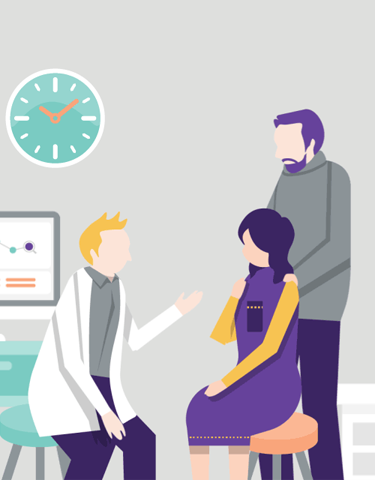
When it comes to postpartum depression (PPD),
BE AWARE AND PREPARE.
Learn the symptoms, so you can be ready to take action if it happens to you.
Feelings of guilt, shame, or fear may prevent women from having an honest conversation with their doctor – but it’s important to remember that PPD is a medical condition and there’s no reason to be ashamed.

It is estimated that PPD affects approximately 10% to 20% of women giving birth globally. In the US, estimates of new mothers identified with PPD each year vary by state from 8% to 20% with an overall average of 11.5%.
Symptoms can include sadness, anxiety, and irritability.

If left untreated, PPD can affect your ability to bond with your baby.
It's up to all of us to be aware and prepare for the possibility of PPD.